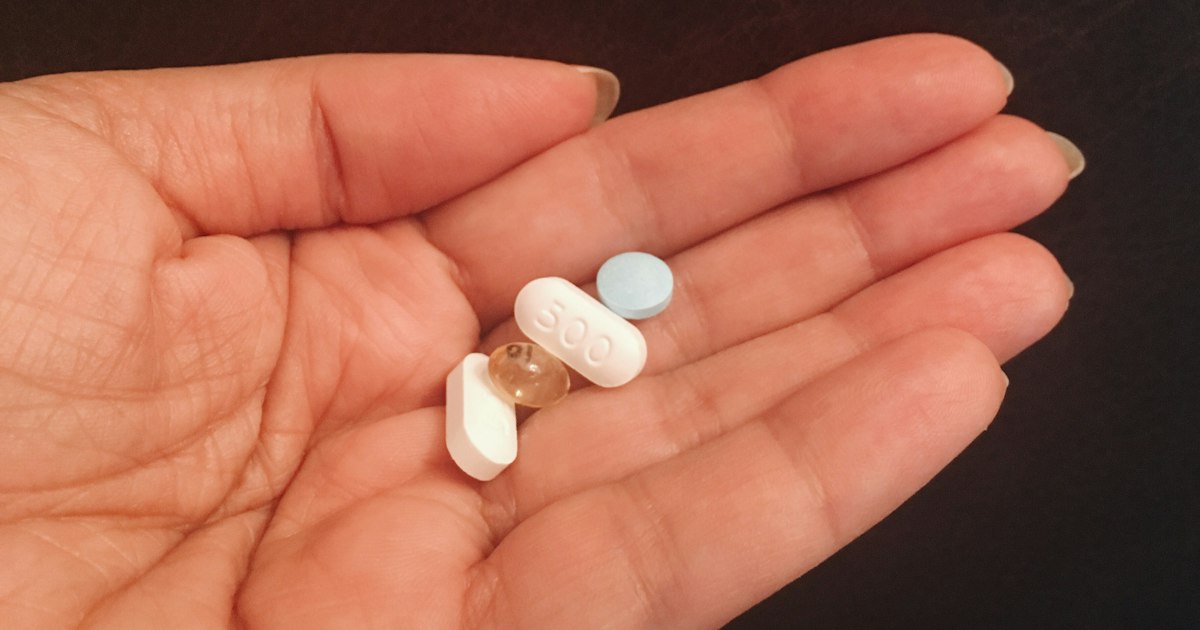
What to Combine Bacopa Monnieri With
Bacopa is rarely taken in isolation: people add it to their morning coffee, combine it with omega-3, adaptogens or other nootropics, and manufacturers eagerly release "brain complexes." However, the vast majority of studies examined bacopa on its own, and there are few data on combinations. Our editorial team has examined which pairings look reasonable, which remain an experiment and which should be avoided.
Principles of combining supplements
Before talking about specific combinations, it is worth formulating a few general principles. The first of them: an evidence base exists for individual substances, not for "stacks." When you combine two supplements, the result is not necessarily equal to the sum of their effects - it may be greater, smaller or accompanied by new side reactions.
The second principle concerns the time of action. Bacopa is a supplement with a slow, cumulative effect that develops over weeks (Stough et al., 2001). Most other popular substances for concentration, such as caffeine, act within an hour. So combining a "fast" and a "slow" substance makes sense only if you understand what each of them does.
The third principle is a step-by-step approach. If you start taking three new supplements at once, it is impossible to understand which one produced the effect and which caused the stomach discomfort. It is smarter to add components one at a time with an interval of a few weeks.
The fourth is the total load. Each additional substance increases the likelihood of interactions, especially in people who take medications. A minimalist approach is almost always safer and cheaper.
Bacopa and nutrition
The simplest and probably most useful combination is bacopa and ordinary food. Bacosides are fat-soluble, and in the Ayurvedic tradition the plant was often prepared in ghee. Taking it with food that contains fats reduces the risk of nausea and stomach cramps, which are the most common side effects (Morgan, Stevens, 2010).
In practice this means: take the capsule during breakfast or lunch that includes eggs, nuts, oil, fish or dairy products. There is no need to specially add fat - an ordinary balanced meal is enough.
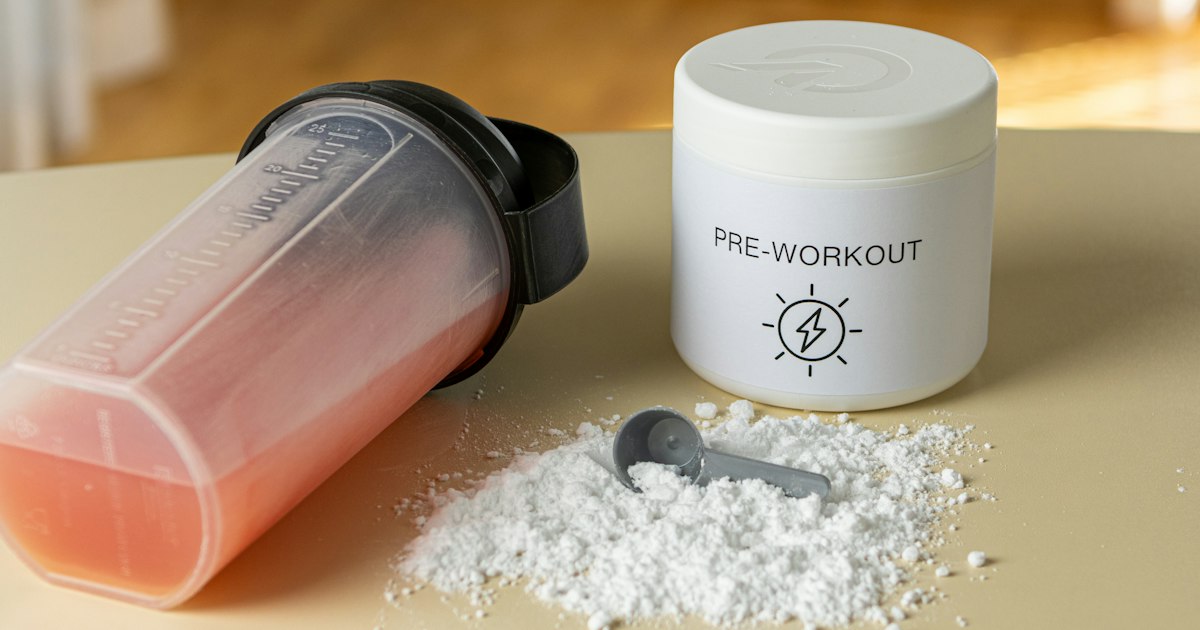
Taking it on an empty stomach, on the contrary, is the most common cause of discomfort. This especially applies to those who train in the morning and take supplements "on an empty stomach" together with a pre-workout complex.
Omega-3 fatty acids are another logical partner within general nutrition for the brain. They are themselves a structural component of neuronal membranes. However, there are no clinical studies of specifically the combination of bacopa with omega-3, so this pairing is justified more by the general logic of a healthy diet than by evidence of synergy.
It is important not to forget the basics: sufficient sleep, physical activity and a varied diet have a greater impact on cognitive function than any supplement. Bacopa can be a supplement to, but not a replacement for, these factors.

Caffeine, L-theanine and other nootropics
A popular combination among students and athletes is bacopa together with caffeine or a pair of "caffeine + L-theanine." The logic is clear: caffeine gives a quick boost of alertness, L-theanine smooths out nervousness, and bacopa works on long-term memory.
| Combination | Logic | State of the evidence |
|---|---|---|
| Bacopa + caffeine | Caffeine may offset mild drowsiness from bacopa | There are no studies of the combination; each substance is studied separately |
| Bacopa + L-theanine | Calm concentration | There are no studies of the combination; enhanced relaxation is possible |
| Bacopa + ginkgo biloba | Different mechanisms of effect on cognitive function | Data on the combination are limited; ginkgo has its own interactions with anticoagulants |
| Bacopa + rhodiola, ashwagandha | An adaptogenic approach to stress | There are no studies of the pairing; ashwagandha may also have a sedative effect |
| Bacopa + choline supplements (alpha-GPC, citicoline) | Effect on the cholinergic system from different sides | Theoretical logic; there are no clinical data |
The combination with caffeine looks relatively safe for healthy people: these substances act through different mechanisms, and caffeine can offset the mild sluggishness that some people feel from bacopa. However, those sensitive to caffeine should make sure that the total amount of coffee does not disrupt sleep - since good sleep is critical for memory consolidation.
With L-theanine and ashwagandha the situation is different: both substances can have a calming effect, and in combination with bacopa the drowsiness theoretically increases. If you plan such a combination, check your reaction in the evening rather than before work or training.
Choline supplements are often advertised as a "natural pair" for bacopa. The logic is clear, but there is no evidence of synergy, and an excess of cholinergic stimulation can cause headache or stomach upset in some people.
Undesirable and dangerous combinations
There are combinations that should be avoided or that require mandatory discussion with a doctor. They are linked to bacopa's sedative and cholinergic activity, as well as its potential effect on drug metabolism.
- Alcohol.May increase drowsiness and reduce concentration, negating the purpose of taking bacopa.
- Sleeping pills, tranquilizers, sedative antihistamines.Risk of an additive sedative effect.
- Cholinesterase inhibitors and anticholinergic drugs.A pharmacodynamic interaction is possible.
- Thyroid drugs.Because of data on the extract's effect on thyroid hormones in animals.
- Drugs that slow the heart rhythm.Theoretically, enhanced bradycardia is possible.
- Drugs with a narrow therapeutic window.Because of laboratory data on effects on liver enzymes.
Separately, we warn against "multi-component stacks" assembled on the advice of forums, where bacopa is combined with prescription stimulants or other drugs. Such combinations are not studied, may be dangerous, and in athletes may also violate anti-doping rules.
People with chronic diseases who constantly take any medications should discuss bacopa with a doctor before adding it to their regimen. More on this - in the article on contraindications.
How to build a reasonable regimen
If you still want to combine bacopa with other supplements, our editorial team offers a simple algorithm that minimizes risks and lets you assess the effect.
- Start with bacopa alone and take it with food for 2-3 weeks, assessing tolerability.
- Only then add a second component, if there is a clear goal for it.
- Avoid combining several substances with a calming effect.
- Do not use complexes where the dose of each component is unknown or too small.
- After 8-12 weeks, assess the result and decide whether each supplement is needed.
Do not forget that complex "nootropic" products often contain bacopa in doses far below those in studies. If bacopa is your main component, it is often smarter to buy it separately as a standardized extract.
Also keep short notes on how you feel, your sleep and concentration. This lets you honestly assess whether each added component is worth the money spent.
Finally, remember the sports context: use only products from trusted manufacturers, preferably with independent certification for the absence of banned substances, if you compete.
Editorial conclusions
The best-justified combination for bacopa is ordinary food containing fats: it reduces stomach side effects and matches the traditional way of taking it.
Combinations with caffeine, L-theanine, omega-3, adaptogens and choline supplements are possible but not supported by studies specifically as combinations. Avoid combining it with alcohol, sedatives and - without a doctor - with drugs that affect acetylcholine, the heart and the thyroid gland.
Step-by-step addition of components and realistic expectations are the main rules of any regimen.
We also recommend the materials "How to Take Bacopa Monnieri: Dosage, Timing, Duration," "Who Should Not Take Bacopa Monnieri" and "L-Tyrosine: What It Is and How It Works."
References
- Stough C, Lloyd J, Clarke J, et al. The chronic effects of an extract of Bacopa monniera (Brahmi) on cognitive function in healthy human subjects. Psychopharmacology (Berl). 2001;156(4):481–484.
- Morgan A, Stevens J. Does Bacopa monnieri improve memory performance in older persons? Results of a randomized, placebo-controlled, double-blind trial. J Altern Complement Med. 2010;16(7):753–759.
- Calabrese C, Gregory WL, Leo M, et al. Effects of a standardized Bacopa monnieri extract on cognitive performance, anxiety, and depression in the elderly: a randomized, double-blind, placebo-controlled trial. J Altern Complement Med. 2008;14(6):707–713.
- Aguiar S, Borowski T. Neuropharmacological review of the nootropic herb Bacopa monnieri. Rejuvenation Res. 2013;16(4):313–326.
- Pase MP, Kean J, Sarris J, et al. The cognitive-enhancing effects of Bacopa monnieri: a systematic review of randomized, controlled human clinical trials. J Altern Complement Med. 2012;18(7):647–652.
- Russo A, Borrelli F. Bacopa monniera, a reputed nootropic plant: an overview. Phytomedicine. 2005;12(4):305–317.
Andriy Melnyk
A strength-sports coach and author of programs for beginner and intermediate levels. Writes about training planning.